Cat Appetite Changes: Causes You Should Not Ignore
Author:Andy
Released:March 10, 2026
Notice your furry friend ignoring their favorite meals? It's incredibly stressful when your cat suddenly loses its appetite. But don't panic. Let's skip the guesswork and explore exactly what you can do in your kitchen today to get them eating again.
Why Your Cat Has Lost Appetite
When a cat stops eating, they aren't just being stubborn. Cats are creatures of habit, and a sudden change in their feeding routine usually points to a specific trigger.
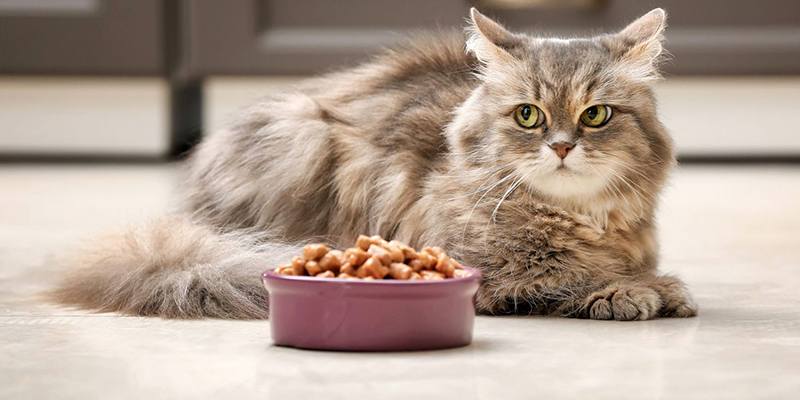
Food Fatigue: Yes, cats get bored. If they have been eating the same chicken kibble for two years, they might be tired of it.
Silent Stressors: Did you move the litter box? Have house guests over? Start using a new floor cleaner with a strong citrus Scent? Cats are highly sensitive to environmental changes, which can instantly kill their hunger.
Hidden Pain: Dental issues are a massive culprit. A sore tooth or inflamed gums make chewing dry food painful. Hairballs stuck in their digestive tract, or a mild upset stomach, can also make food seem unappealing.
Proven Tricks To Stimulate Cat Appetite
If your cat has no appetite, you need actionable steps, not just theories. Here are the most effective, hands-on tricks you can try immediately. You likely already have some of these items in your pantry.
1. Turn Up The Heat (Just A Little)
Cats decide what to eat based on smell, not taste. If you keep wet food in the fridge, it smells like absolutely nothing to them. Take their wet food and microwave it for 5 to 10 seconds until it is just slightly warm (not hot). Warming the food releases the fats, creating a strong, meaty aroma that mimics freshly caught prey.
2. Use Stinky Toppers
Sometimes, you need to make the bowl irresistible. Try adding a tiny amount of these highly aromatic toppers:
Nutritional Yeast: Many cats go crazy for the cheesy, nutty smell of nutritional yeast. Just a light sprinkle over their normal food can work wonders.
Bonito Flakes: These dried fish flakes have a very intense seafood smell. Crumble a small pinch over their meal.
Tuna Water: Drain a little bit of water from canned tuna (make sure it's tuna in spring water, NOT oil or brine) and pour it over their regular food.
3. The Baby Food Hack
When a cat has completely lost its appetite, meat-based human baby food is a lifesaver. Look for Stage 1 baby food made with chicken or turkey. Crucial tip: Read the label carefully to ensure there is zero onion or garlic powder, as those are toxic to cats. Offer a small spoonful directly from your finger. It's smooth, easy to lick, and easy to digest.
4. Add Unsalted Bone Broth
Hydration and flavor combined. Pouring a splash of warm, plain chicken or beef bone broth over their kibble can soften the hard pieces and make the meal smell fantastic. Again, check the ingredients for onions or garlic. Pet stores also sell cat-specific broths in pouches that are perfect for this.
5. Change The Bowl, Not Just The Food
Does your cat take a bite, drop it on the floor, and eat it there? Or do they approach the bowl and back away? They might have whisker fatigue. Cat whiskers are highly sensitive. If their food bowl is deep and narrow, their whiskers hit the sides, causing discomfort. Switch to a flat saucer or a very shallow, wide ceramic plate.
Wet Food Vs. Dry Food: Choosing The Right Diet For a Picky Eater
If you are standing in the pet store aisle wondering what to buy to tempt your cat, you need to know the pros and cons of different textures. Let's break down what works best for stimulating a 'scat's appetite.
Wet Food (Canned Or Pouches)
If your cat refuses to eat, wet food is usually your best weapon. It has a high moisture content (around 70-80%), which is great since cats who don't eat often don't drink water either.
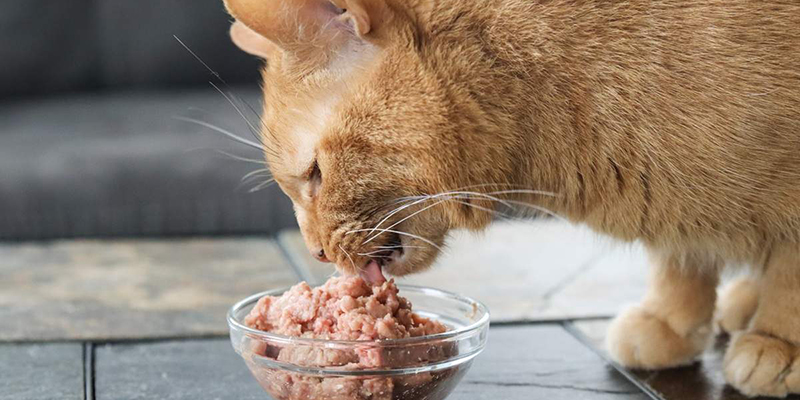
Pate Style: Best for senior cats or those with dental pain. You can mash it up easily with warm water to create a thick soup that requires zero chewing.
Shreds or Chunks in Gravy: Best for cats who love licking. Many cats will lick the gravy and leave the meat. If they do this, buy gravy-heavy pouches or blend the shreds in a food processor to force them to eat the meat with the sauce.
Dry Food (Kibble)
While harder to smell than wet food, kibble has its own benefits.
Crunch Factor: Some cats genuinely prefer a crunch. If your cat usually eats wet food but suddenly stops, offering a handful of high-protein, smelly kibble (like fish-flavored dry food) might spark their interest.
The Mixing Strategy
If you don't want to change their diet completely, try the mix. Mix their normal dry kibble with a tablespoon of strongly flavored wet food. Stir it well so every single dry piece is coated in the wet food juices. This prevents the cat from just picking out the good stuff.
Red Flags: When To Stop Trying And Call The Vet
While missing one breakfast isn't the end of the world, time is of the essence with felines.
If your cat refuses to eat for 24 hours, it's a warning sign. You should be actively trying the warming and topper tricks mentioned above.
If 48 hours pass, you must call your vet. Unlike dogs, cats' bodies do not process fasting well. Going without food for just a couple of days can lead to a severe liver condition called Hepatic Lipidosis (fatty liver disease), which is life-threatening. Stop trying home remedies if you also notice vomiting, extreme hiding, or yellowing of their eyes and gums. Get professional help immediately.
Final Thoughts
Seeing your cat refuse meals is stressful, but you now have a solid toolkit. Start small: warm up their meal, swap the deep bowl for a flat plate, or add a stinky topper to stimulate the cat's appetite. Stay patient and observe their behavior closely. If 24 to 48 hours pass without a single bite, book a vet visit immediately. Grab a can of tuna water or some warm broth right now, and let's get your furry friend eating comfortably again!
Related Posts
Cat Hiding Behavior: When It's Normal And When It's Not
Lickable Cat Treats: Why Tube Snacks Have Become a Cat Household Obsession

Is Your Dog Cold? How To Tell If They Need a Coat

Joint Supplements for Senior Dogs: Benefits and Choices
Stress-Free Cross-Country Moves With Your Pet: Expert Tips